Photothermolysis is the core principle that makes many modern light-based skin treatments both effective and safer. For operators and users, the key question is simple: how can light destroy a specific target without unnecessarily harming surrounding skin?
The answer lies in matching wavelength, pulse duration, fluence, cooling, and skin assessment to a precise treatment goal. When these parameters are chosen correctly, photothermolysis can selectively target pigment, blood vessels, or hair follicles with controlled thermal injury.
This matters because treatment success is not just about power. It depends on whether the device energy is absorbed by the intended chromophore, delivered fast enough, and balanced with epidermal protection. That is the logic behind safer outcomes and fewer complications.
For operators, understanding photothermolysis improves treatment planning, parameter selection, and patient communication. For users, it helps set realistic expectations, recognize why multiple sessions are often needed, and understand why skin type and aftercare strongly affect results.
What photothermolysis actually means in skin treatment
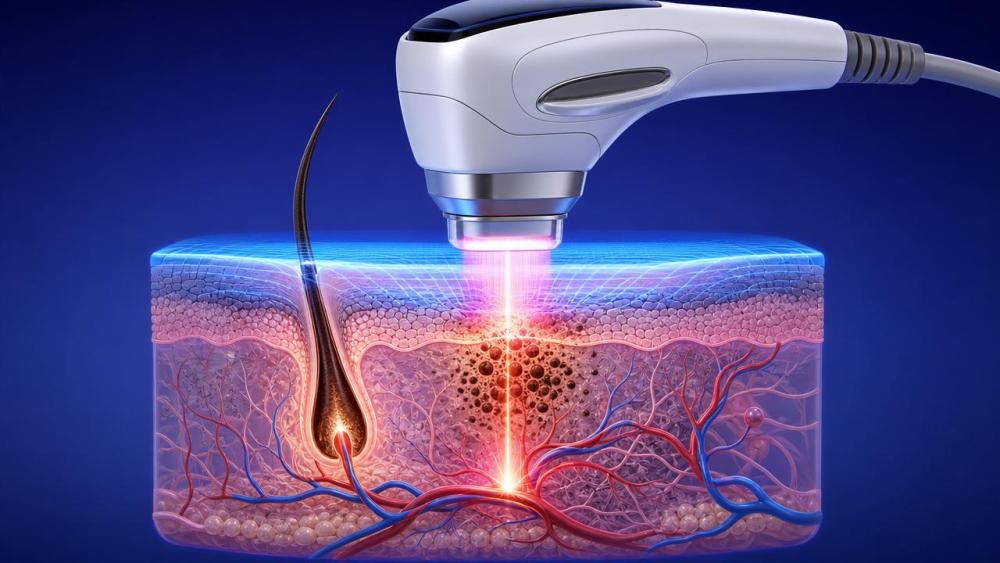
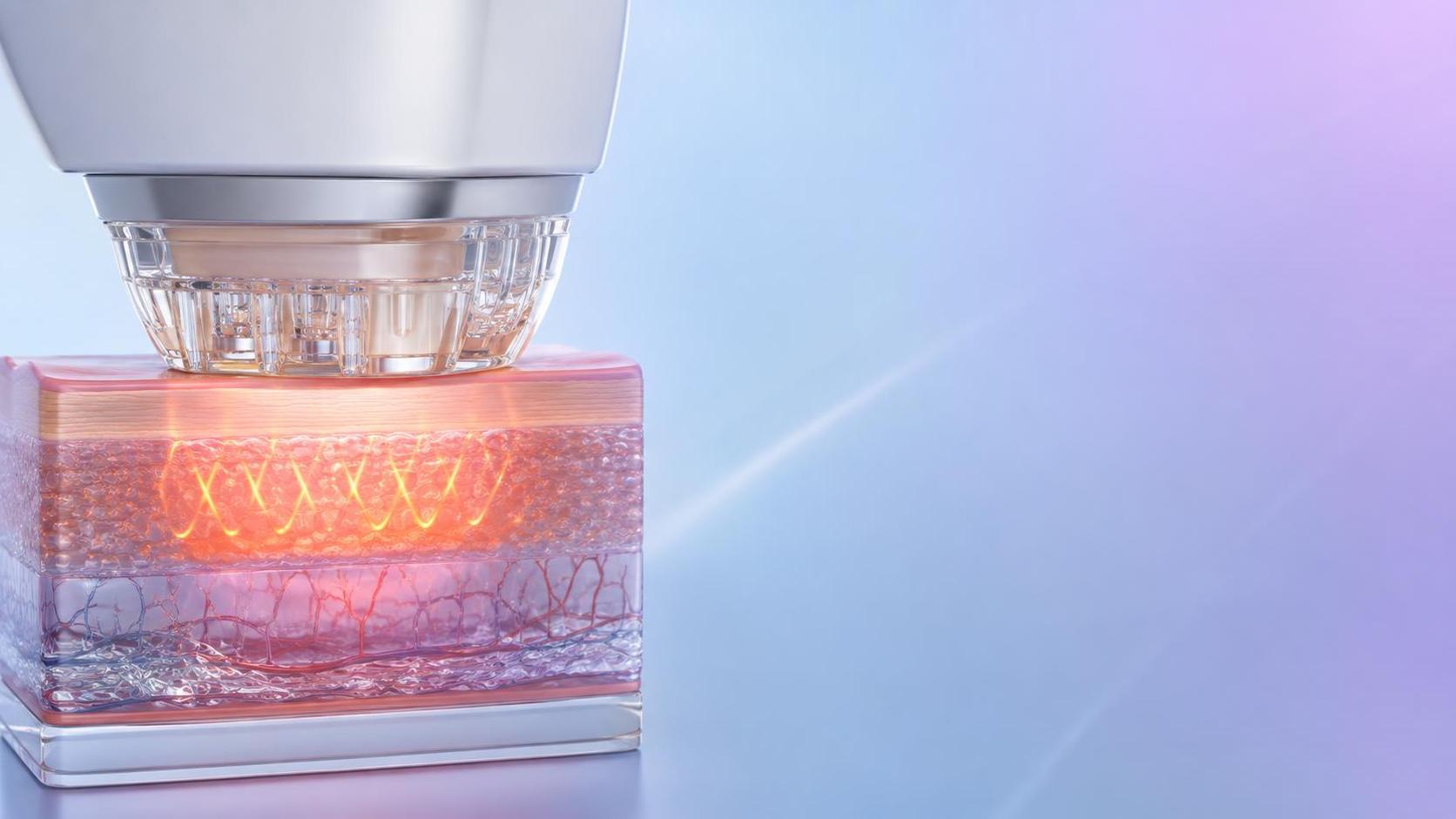
Photothermolysis combines three ideas: photo means light, thermo means heat, and lysis means destruction. In practice, it describes the controlled use of light energy to heat a selected skin target until that target is damaged or broken down.
The most important word is selective. In aesthetic treatments, practitioners do not want to heat all tissue equally. They want energy to be absorbed mainly by a chosen target, such as melanin in hair, pigment in lesions, or hemoglobin in vessels.
When selective absorption happens, the target heats faster than nearby tissue. If the pulse duration and energy level are appropriate, the target reaches a damaging temperature while surrounding skin remains comparatively protected. This is the foundation of safe laser and IPL treatment design.
Without selectivity, treatment becomes less predictable and more dangerous. Excessive epidermal heating can lead to burns, blistering, post-inflammatory hyperpigmentation, or prolonged redness. That is why photothermolysis is not just a theory term but a daily safety framework for real procedures.
Why users and operators should care about this principle
Most people searching for photothermolysis want practical clarity, not a physics lecture. They want to know why one device works for one concern but not another, why outcomes vary by skin tone, and what makes one treatment approach safer than another.
Operators care because the principle directly affects treatment decisions. It helps answer questions such as: Which wavelength is appropriate? How long should the pulse be? Is cooling necessary? Can this skin type tolerate the planned settings? Are there contraindications?
Users care because these choices affect comfort, downtime, visible improvement, and risk. A treatment that looks similar on a marketing brochure may behave very differently in real skin depending on chromophore targeting, epidermal melanin competition, and the operator’s understanding of energy delivery.
In short, photothermolysis explains why good treatments feel customized rather than generic. It also explains why safe operators begin with assessment, not just machine activation. The science guides who should be treated, how, and when treatment should be delayed or modified.
The treatment logic: target, wavelength, pulse, and cooling
To understand safer skin treatments, start with the treatment target. Different concerns contain different chromophores, which are tissue components that absorb light. Melanin, hemoglobin, and water are the most important chromophores in many aesthetic applications.
Hair removal relies mainly on melanin inside the follicular unit. Vascular treatment relies on hemoglobin in blood vessels. Pigment correction often targets excess melanin in lesions or diffuse uneven tone. Resurfacing devices may rely more on water absorption in tissue.
Once the target is known, wavelength becomes critical. Different wavelengths penetrate to different depths and are absorbed differently by each chromophore. A wavelength suitable for superficial pigment may not be ideal for deep follicles or vascular structures.
Next comes pulse duration. This must relate to the target’s thermal relaxation time, meaning how quickly it loses heat. The goal is to heat the target enough before the heat spreads too widely into surrounding tissue. Too short or too long can reduce selectivity.
Fluence, or energy density, must also be high enough to create the intended effect. Too little energy may produce no meaningful change. Too much may exceed the skin’s safety margin. Effective treatment is therefore not maximum energy but correct energy.
Cooling protects the epidermis, especially when melanin in the skin surface competes for energy absorption. Contact cooling, cryogen spray, sapphire tips, and forced cold air can reduce superficial heat while allowing deeper structures to receive therapeutic energy.
This is why devices with similar claims may differ significantly in safety. The treatment result depends on how these variables work together, not on a single specification. Experienced operators think in systems, not isolated settings.
How photothermolysis works in common aesthetic applications
In laser hair removal, melanin in the hair shaft and follicle absorbs the light. The energy converts to heat, injuring the follicle enough to reduce future growth. The challenge is to damage follicular structures while protecting the surrounding epidermis.
This is why hair color and skin tone matter so much. Dark coarse hair usually responds better because it offers stronger melanin contrast. Very light, gray, or red hair often responds poorly because the target chromophore is less available.
In pigmented lesion treatment, the aim is to selectively heat or fragment excess melanin. Depending on the technology, the pigment may darken first, then gradually shed or be metabolized. Operators must distinguish benign pigment from lesions requiring medical referral.
In vascular treatment, hemoglobin absorbs the light and converts it into heat that damages vessel walls. The body later clears the treated vessel. Vessel depth, diameter, and color affect how well a given wavelength and pulse structure will work.
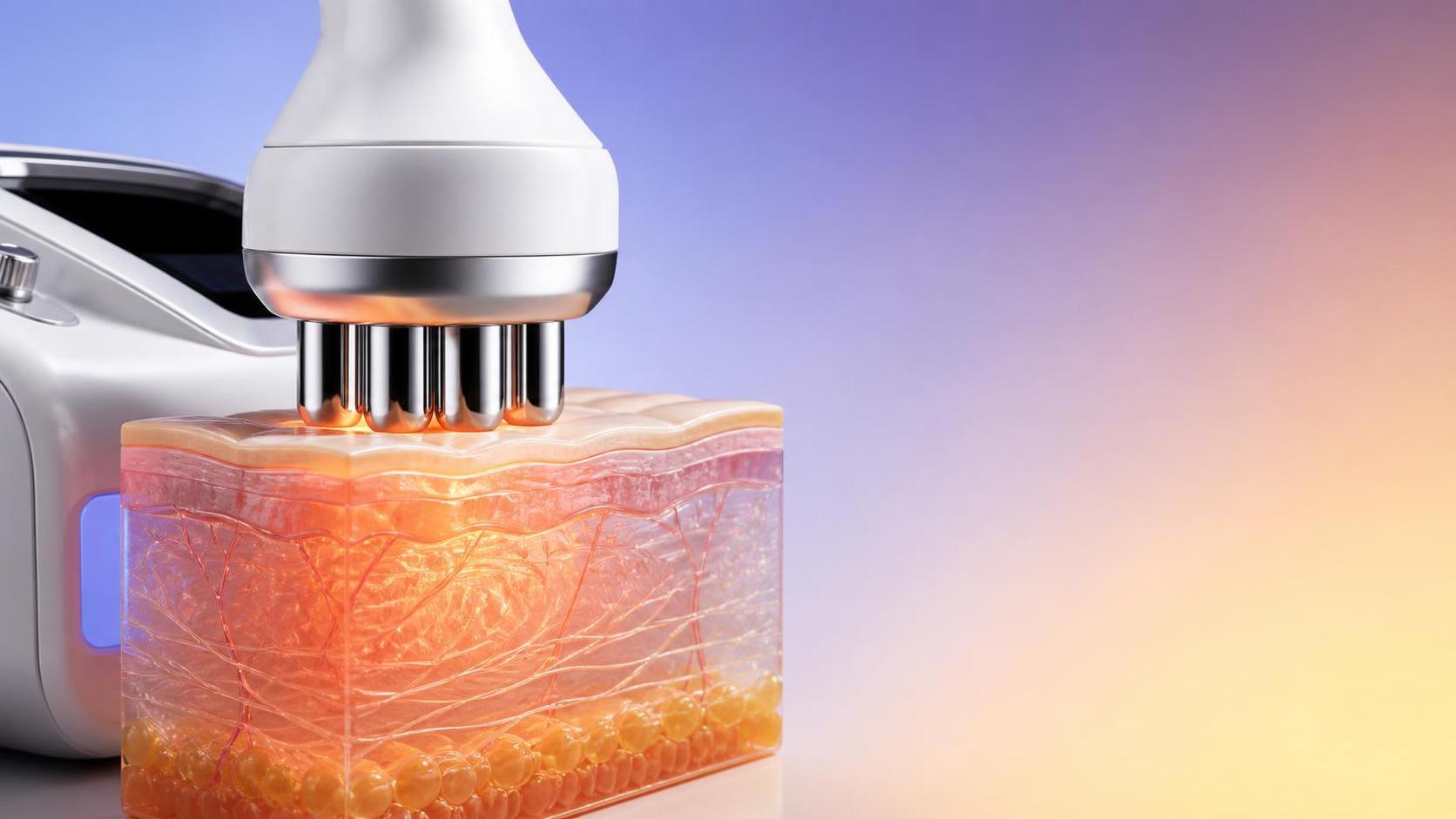
In fractional resurfacing, the concept becomes more controlled and pattern-based. Instead of treating all tissue uniformly, energy is delivered into microscopic treatment zones. This stimulates repair while leaving untreated tissue between zones to support faster healing.
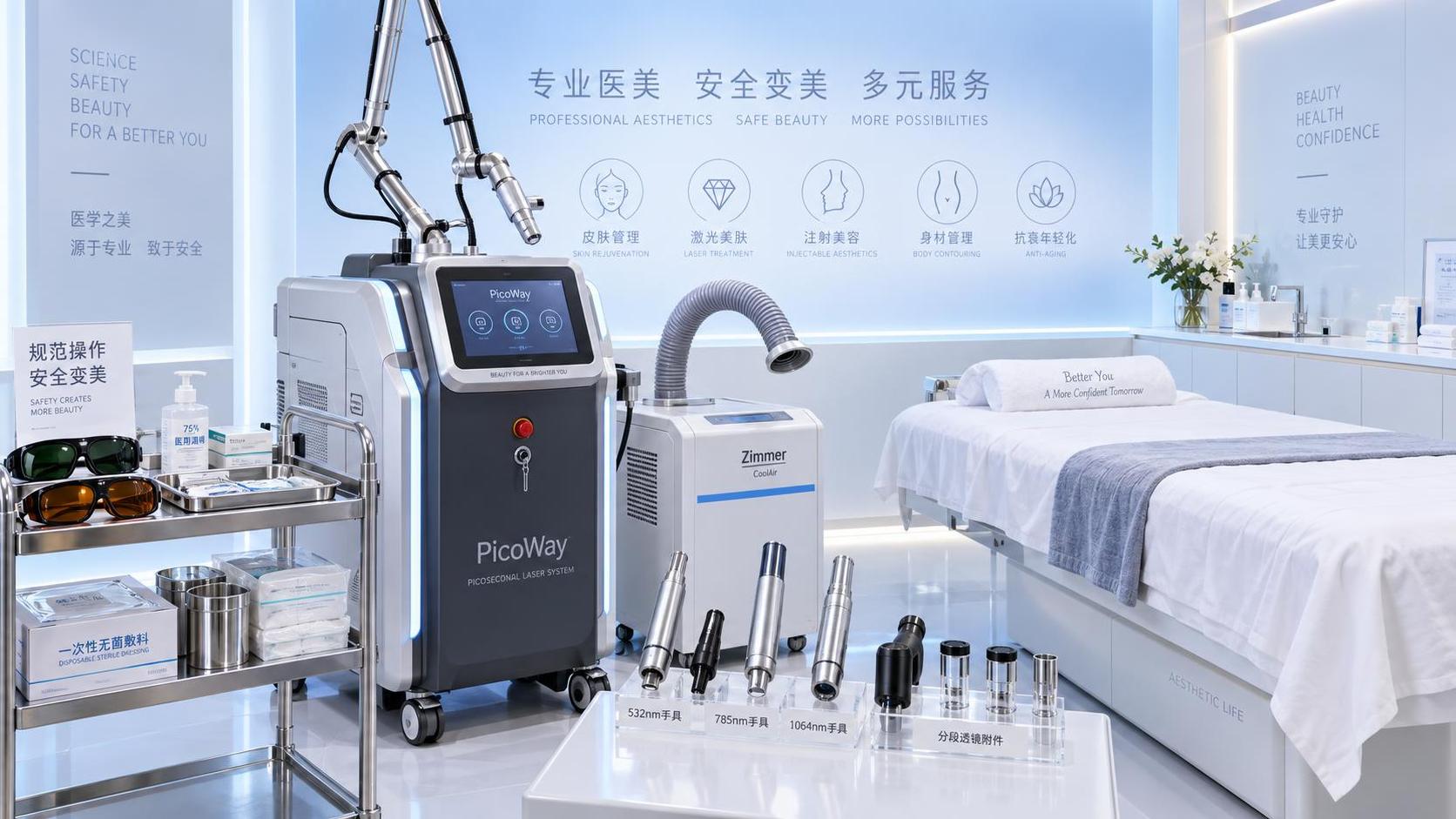
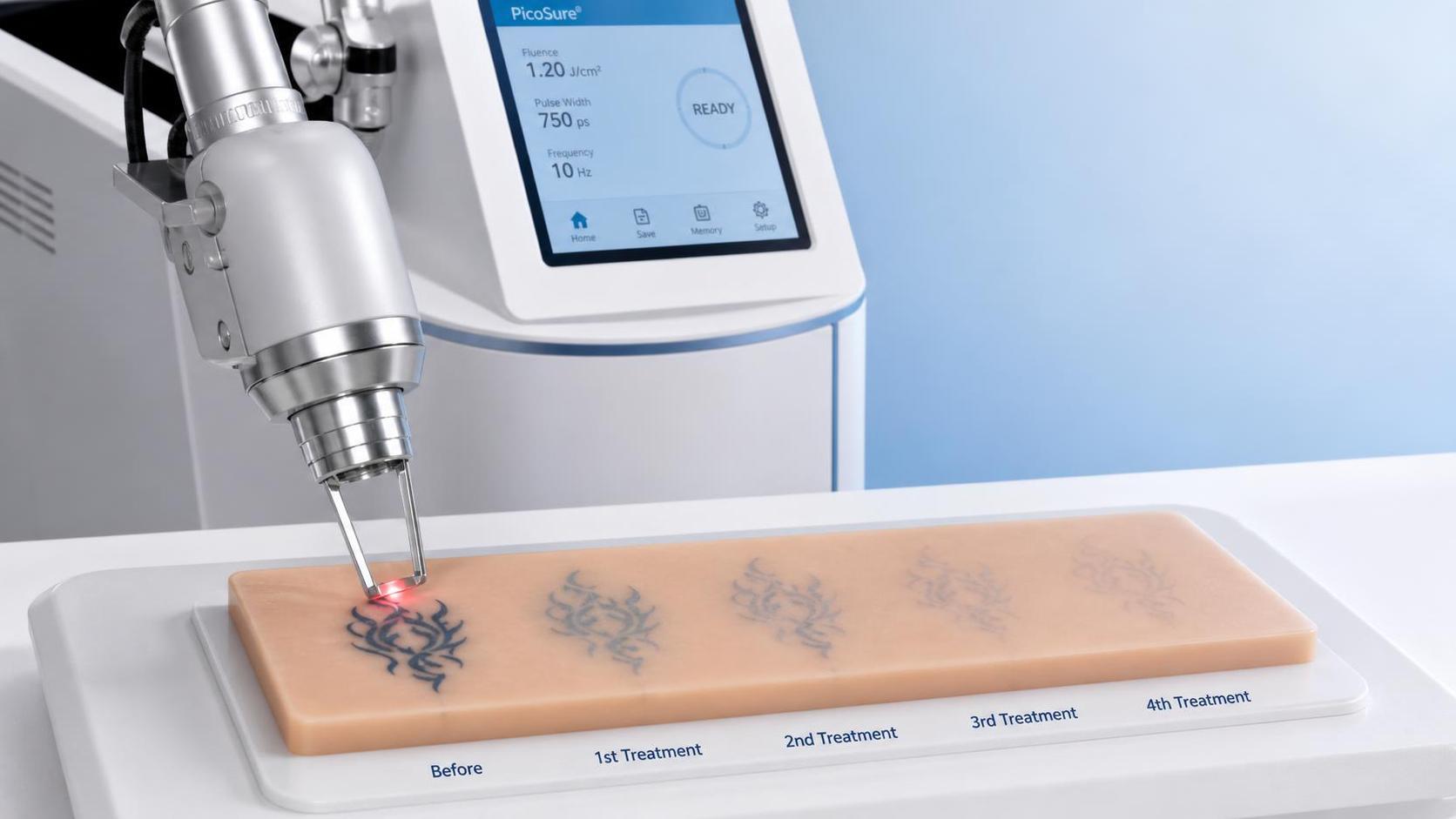
Even picosecond and other ultra-short pulse systems still connect back to selective tissue interaction. Although the mechanism can include strong photoacoustic effects rather than purely thermal injury, treatment safety still depends on targeted energy deposition and tissue response.
What determines whether a treatment is truly safer
Safer does not mean risk-free. It means the treatment is designed and performed in a way that maximizes target selectivity and minimizes avoidable injury. This begins with patient selection, realistic indication matching, and proper device-specific training.
Skin type is one of the biggest safety factors. On darker Fitzpatrick skin types, epidermal melanin competes more strongly for energy absorption. That raises the risk of burns or pigmentary changes if settings, wavelength choice, or cooling are not adjusted appropriately.
Recent sun exposure, self-tanners, inflammation, active infection, and photosensitizing medications can all change skin behavior. These factors can lower the margin of safety even when the device itself is clinically proven and normally well tolerated.
Patch testing can be valuable, especially when treating darker skin tones, sensitive areas, or patients with a history of pigment problems. It offers real skin feedback before committing to full-area treatment and helps refine settings more responsibly.
Eye protection is non-negotiable. Because photothermolysis depends on intense light energy, proper wavelength-matched ocular protection is essential for both operator and patient. This is especially important near periocular areas and with high-powered systems.
Aftercare also affects safety. A technically successful procedure can still end badly if the skin is exposed to heat, friction, UV radiation, or inappropriate skincare too soon. Safer treatment includes clear post-treatment instructions and adherence monitoring.
Common misunderstandings that lead to poor outcomes
One common mistake is assuming higher energy always means better results. In reality, more energy can simply increase injury without improving selectivity. Strong outcomes come from matching parameters to the target, not from pushing intensity indiscriminately.
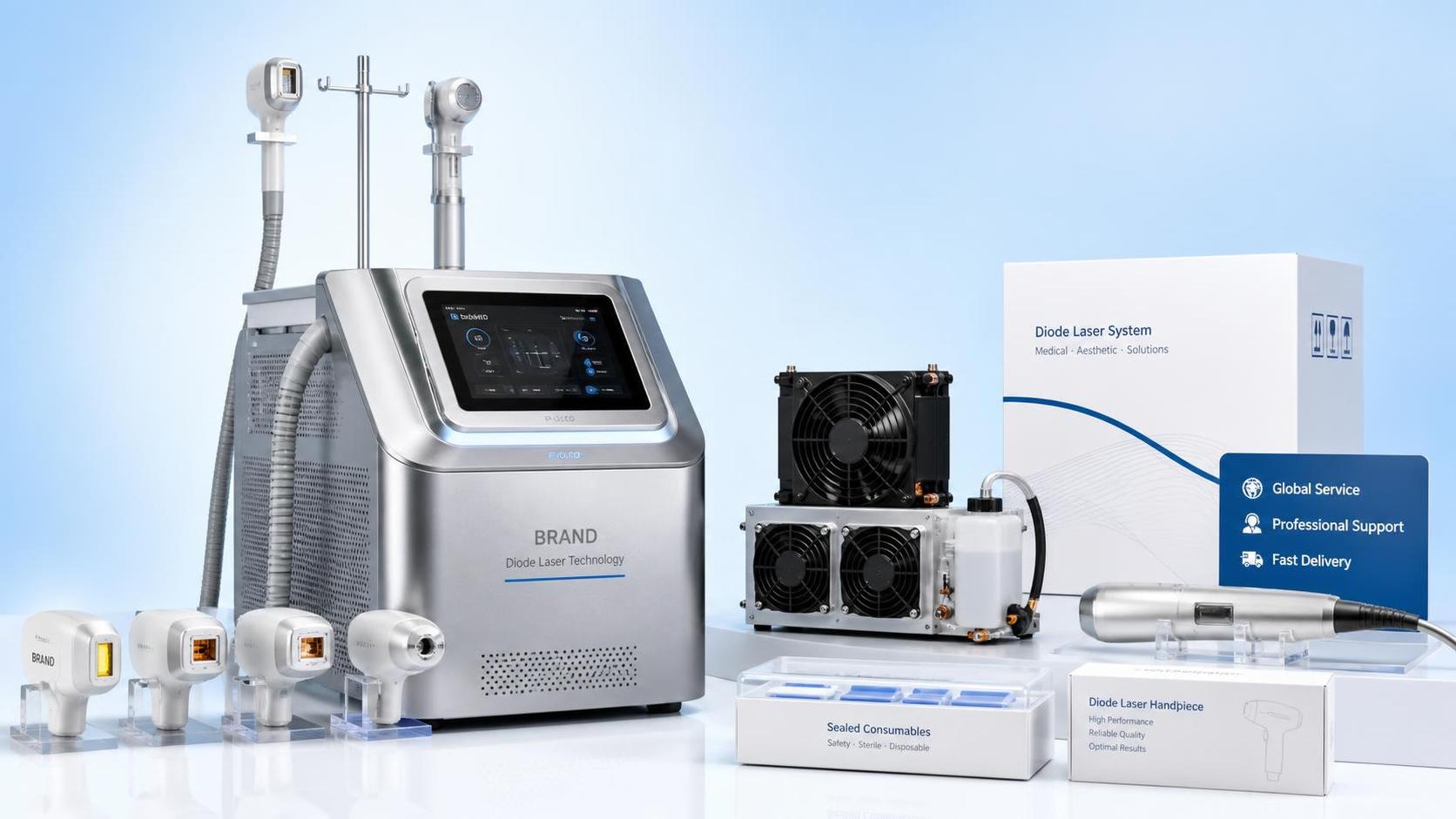
Another misunderstanding is treating all devices as interchangeable. IPL, diode lasers, Nd:YAG systems, alexandrite lasers, and picosecond platforms differ in wavelength behavior, pulse architecture, and ideal indications. Good operators respect these differences.
Some users also believe that discomfort is proof of effectiveness. Mild heat or snapping sensations may occur, but excessive pain can be a warning sign of poor parameter choice, inadequate cooling, or unsuitable skin preparation. Pain should not be used as a treatment goal.
It is also a mistake to ignore timing between sessions. Many targets respond according to biological cycles, such as hair growth phases or pigment clearance processes. Treating too frequently can increase irritation without giving the skin enough time to respond.
Finally, not every concern should be treated in a cosmetic setting. Suspicious pigmented lesions, melasma-prone skin, active dermatitis, and some vascular conditions may require extra caution or physician evaluation. Good judgment is part of safe photothermolysis practice.
How operators can apply photothermolysis more effectively in daily practice
Start every treatment by defining the exact target and depth. Do not begin with a preset simply because it is popular. Ask what chromophore you are targeting, where it sits in the skin, and what competing absorbers may increase risk.
Then assess the patient or user carefully. Record Fitzpatrick type, tanning status, medical history, previous treatment response, current skincare products, medications, and recent procedures. These factors influence both energy tolerance and post-treatment healing.
Use conservative logic when uncertainty exists. A slightly lower but well-judged setting with good endpoint observation is usually safer than an aggressive first pass based on assumptions. Clinical endpoints should guide treatment more than marketing promises.
Document response patterns over time. The same nominal setting may behave differently across body areas, seasonal skin conditions, and individual biology. Good records help improve consistency, refine protocols, and reduce repeated trial-and-error.
Educate users before treatment. Explain that successful photothermolysis often requires a treatment course, not a single dramatic event. Clarify expected sensations, short-term reactions, downtime, and sun protection responsibilities. Better informed users usually cooperate better and recover more smoothly.
Finally, know the limits of your platform and training. Device intelligence, cooling systems, and software safeguards are helpful, but they do not replace clinical reasoning. Safe treatment depends on human judgment supported by technology, not delegated entirely to it.
What users should ask before choosing a light-based treatment
Users do not need to master laser physics, but they should ask smart questions. What target is being treated? Why is this device appropriate for my skin type? What side effects are most likely in my case? How many sessions are typically needed?
They should also ask who will perform the treatment and how settings are chosen. A reliable operator should be able to explain treatment logic in plain language, discuss alternatives honestly, and acknowledge limitations without overpromising.
Another valuable question is what the expected endpoint looks like. For example, temporary perifollicular edema in hair removal or short-term darkening of pigment can be normal, while blistering or uncontrolled whitening may signal excessive tissue injury.
Users should ask about pre-care and aftercare as seriously as they ask about price. Avoiding sun exposure, stopping certain products, and following healing instructions can significantly influence both efficacy and safety. Good results are partly technical and partly behavioral.
When patients understand photothermolysis at a basic level, they become better decision-makers. They can compare treatments more critically, avoid unsafe shortcuts, and recognize why personalization matters more than trend-driven device names.
Conclusion: photothermolysis is the safety logic behind effective skin treatment
Photothermolysis is not just a scientific concept used in textbooks. It is the operating logic behind many of the world’s most common aesthetic skin treatments, from hair removal and pigment correction to vascular work and resurfacing procedures.
Its practical message is clear: safer treatment comes from selective targeting, correct parameter matching, epidermal protection, and disciplined assessment. When wavelength, pulse duration, fluence, and cooling are aligned with the right indication, outcomes improve and avoidable complications decrease.
For operators, understanding photothermolysis means better protocol decisions, better patient communication, and better risk control. For users, it means asking smarter questions and recognizing that true safety is built on science, not just on machine claims.
In modern aesthetics, the most effective treatment is rarely the most aggressive one. It is the one that applies energy with precision, respects skin biology, and uses photothermolysis exactly as intended: to treat the target while protecting everything around it.
Recommended News
 Pico-second Laser SystemsHow to Evaluate Commercial Picosecond Lasers for Multi-Service Aesthetic ClinicsCommercial salon lasers picosecond: evaluate wavelengths, skin-type suitability, workflow, safety, and supplier support to choose a profitable multi-service clinic platform.Sep 13, 2026Author:
 FDA Aesthetics & Safety RegsHow to Qualify a Collagen Induction Therapy Supplier for Professional ClinicsChoose a collagen induction therapy supplier with confidence—compare device specs, sterile cartridges, compliance, training, and service to protect clinic performance.Sep 12, 2026Author:
 Refillable Cosmetic JarsWhat a Beauty Packaging Sustainability Report Should Measure Beyond RecyclabilityBeauty packaging sustainability report: explore metrics beyond recyclability, from PCR traceability and product protection to refill performance, transport efficiency, compliance, and credible lifecycle decisions.Sep 11, 2026Author:
 Coanda Air StylersDo Ionic Air-Wrap Styling Tools Reduce Frizz Without Excess Heat?Air-wrap styling tools ionic technology can help reduce frizz, smooth flyaways, and style hair with controlled airflow and less reliance on excess heat. Learn what really works.Sep 10, 2026Author:
 FDA Aesthetics & Safety RegsCE Compliance for Cosmetic Devices: Essential Safety Standards and Technical FilesCosmetic device safety standards CE: learn how classification, risk-based testing, technical files, claims, and change control build credible EU compliance.Sep 09, 2026Author:
 FDA Aesthetics & Safety RegsBuying Salon Equipment in the USA: A Checklist for Safety, Warranty, and ServiceSalon equipment USA buying checklist: verify safety documentation, warranty coverage, local service, installation needs, and total ownership costs before you invest.Sep 09, 2026Author:
 Multi-polar RF Anti-agingHow RF Anti-Aging Technology Uses Controlled Heat for Skin RejuvenationRF anti-aging technology uses controlled heat, smart electrode design, and cooling to support firmer-looking skin. Explore how safe, precise RF rejuvenation works.Sep 07, 2026Author:
 FDA Aesthetics & Safety RegsHow Much Does CE MDR Certification Cost? A Budget Guide for Medical Device CompaniesCE MDR certification cost explained: uncover key budget drivers, hidden lifecycle expenses, and smart planning steps for medical device market entry.Sep 07, 2026Author:
 Ceramic Flat IronsHeat Control in Electric Hair Care Appliances: Accuracy, Sensors, and SafetyElectric hair care appliances heat control: explore temperature accuracy, sensor placement, airflow response, and layered safety for reliable styling performance.Sep 05, 2026Author:
 IPL Skin RejuvenationHow to Choose a Collagen Regeneration Serum for Sensitive, Aging SkinChoose a collagen regeneration serum for sensitive, aging skin with confidence. Discover gentle actives, barrier-supporting ingredients, and smart tips for smoother-looking skin.Sep 04, 2026Author:
 Magnetic Sonic ToothbrushesWhat Makes an Electric Oral Care Device Truly Waterproof for Daily Use?Electric oral care waterproof protection explained: compare IP ratings, sealed designs, charging safety, and daily-use tips to choose a reliable device.Sep 03, 2026Author:
 FDA Aesthetics & Safety RegsWhat to Expect from Professional Tattoo Removal: Sessions, Safety, and AftercareProfessional tattoo removal explained: learn about sessions, laser safety, realistic results, and essential aftercare for a confident treatment journey.Sep 02, 2026Author:
 Coanda Air StylersHow to Evaluate a Personal Care Appliance Manufacturer for OEM ProjectsPersonal care appliance technology manufacturer selection made easier: explore OEM engineering, quality control, compliance, supply chain, and customization factors for reliable launches.Sep 01, 2026Author:
 Pico-second Laser SystemsHow to Evaluate Commercial Laser Platforms for Multi-Application Aesthetic ClinicsCommercial laser platforms: evaluate clinical fit, safety, regulatory status, cooling, workflow, and ownership costs for a high-performing multi-application aesthetic clinic.Aug 30, 2026Author:
 Multi-polar RF Anti-agingHow RF Skin Tightening Works and What Results Can You Realistically Expect?Non-invasive beauty treatments RF explained: learn how RF skin tightening works, the results you can realistically expect, key safety factors, and how to choose the right device.Aug 29, 2026Author:
 Beauty Capital & DTC MarketingAesthetic Device Market Analysis: Pricing Trends, Margins, and Buyer DemandAesthetic device market analysis pricing insights: compare cost drivers, margins, buyer demand, compliance, and supplier value for smarter sourcing decisions.Aug 28, 2026Author:
 Beauty Capital & DTC MarketingBeauty Device Sourcing: How to Vet Manufacturers for Quality, Compliance, and MOQBeauty device sourcing manufacturers: learn how to verify quality systems, compliance evidence, MOQ structures, and change control to source reliable, scalable beauty devices.Aug 27, 2026Author:
 Multi-polar RF Anti-agingHow to Evaluate RF Facial Devices for Wrinkle Reduction at HomeRF facial devices wrinkle reduction starts with smart evaluation. Learn how to compare safety, heat control, usability, and real results before choosing an at-home device.Aug 26, 2026Author:
 FDA Aesthetics & Safety RegsHow to Start Beauty Device Export Trade in the UAE: Licenses, Compliance, and Channel RisksBeauty device export trade UAE starts with licenses, compliance, and channel control. Learn how to avoid customs delays, claim risks, and distributor mistakes before launch.Aug 25, 2026Author:
 Coanda Air StylersHow to Evaluate a Coanda Air Styler Factory Before OEM/ODM Sourcing?Coanda air styler factory selection affects performance, compliance, and margins. Learn how to evaluate OEM/ODM suppliers, test samples, and avoid costly sourcing mistakes.Aug 24, 2026Author: