As FDA updates tighten expectations across devices, software, labeling, and claims, medical aesthetics brands face rising compliance risks that can derail launches, trigger recalls, and strain cross-functional teams. For project managers and engineering leads, understanding these shifts is now essential for protecting timelines, budgets, and market access while keeping innovation aligned with safety, performance, and global commercialization goals.
FDA updates are reshaping the compliance map for medical aesthetics
Medical aesthetics now sits at the intersection of hardware, software, clinical evidence, and marketing control. That intersection is becoming more regulated, not less.
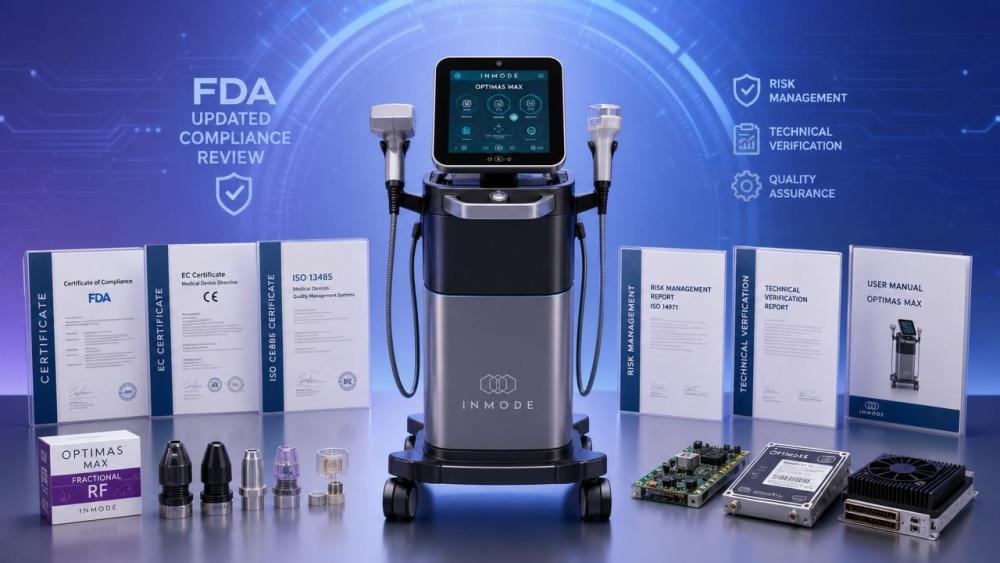
Recent FDA signals show tighter scrutiny on intended use, energy safety, cybersecurity, human factors, complaint handling, and post-market documentation.
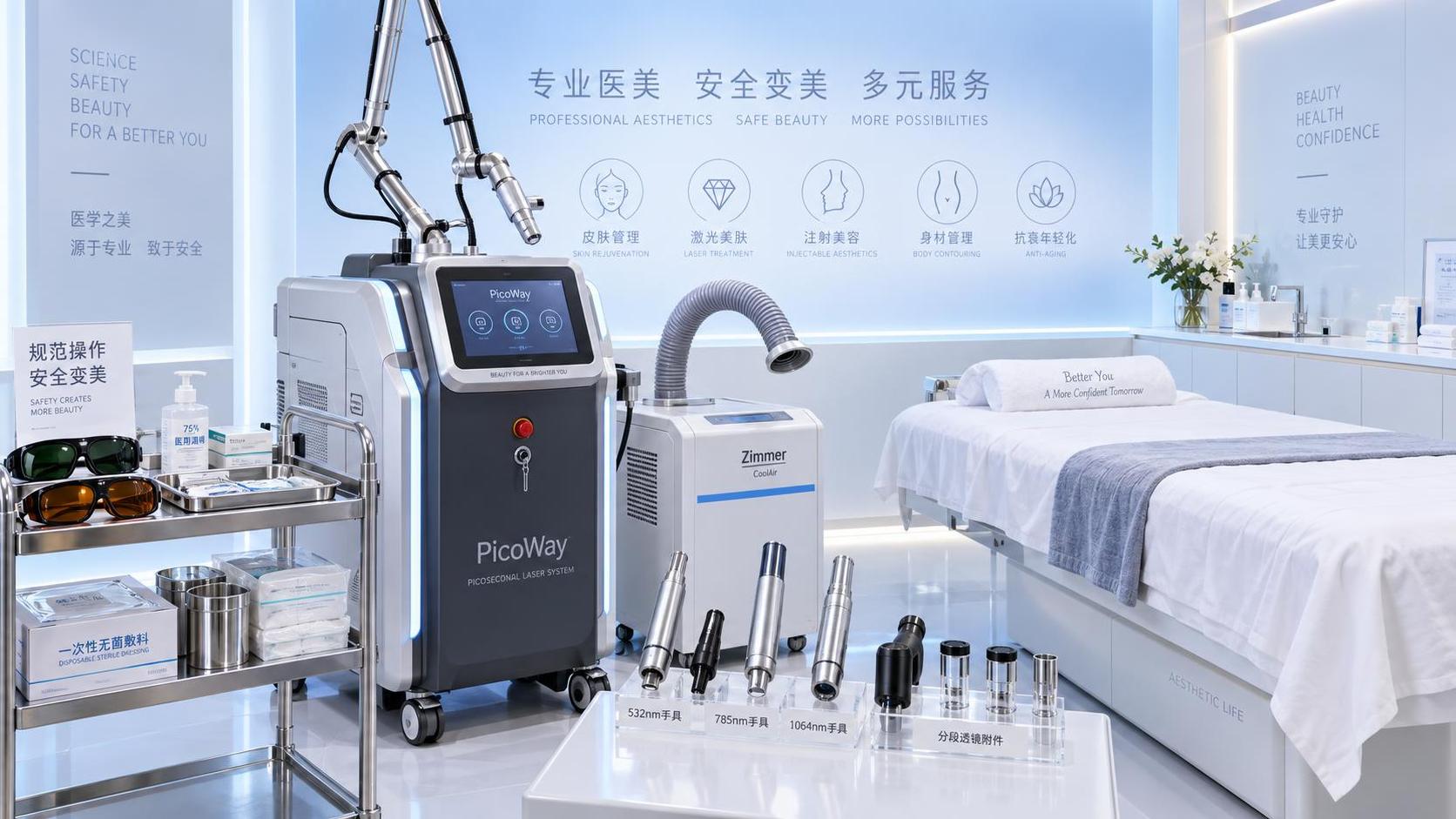
This matters across RF devices, IPL systems, picosecond lasers, oral care electronics, and connected personal care platforms with wellness-adjacent claims.
For medical aesthetics programs, the old assumption is risky: passing technical verification does not guarantee regulatory acceptance or advertising safety.
The practical shift is simple. FDA expectations now extend beyond the device itself into documentation quality, software behavior, risk language, and commercial presentation.
The strongest trend signals point to broader enforcement, not isolated review changes
Several signals suggest a structural change in how medical aesthetics compliance risk should be managed.
- Software content is increasingly reviewed as a safety and performance driver.
- Labeling language is judged against real-world promotions, not only submission text.
- Home-use and professional-use boundaries are receiving sharper attention.
- Risk management files must connect hazards, controls, validation, and user instructions.
- Adverse event readiness is becoming part of launch credibility.
For medical aesthetics, that means compliance risk is no longer owned by regulatory affairs alone. It moves through engineering, design, clinical, quality, and digital marketing.
Why compliance pressure is intensifying across medical aesthetics systems
The pressure comes from technology convergence, consumer expectations, and stronger evidence standards. In medical aesthetics, those drivers reinforce one another.
ABCS tracks these patterns closely because optoelectronic beauty devices and premium care electronics increasingly share the same design-control and evidence challenges.
The biggest medical aesthetics compliance risks are moving upstream
Intended use drift is becoming a silent launch killer
Many medical aesthetics teams build a compliant submission, then weaken it through websites, training decks, influencer scripts, or distributor localization.
If claims imply treatment scope beyond cleared use, the compliance risk expands fast. Review concerns can become enforcement exposure.
Software validation is no longer a supporting appendix
Algorithms, lockouts, treatment presets, skin-type selection, and app-linked controls directly affect safety outcomes in medical aesthetics devices.
Weak software documentation can delay submissions even when optics, motors, or energy modules perform well on the bench.
Human factors evidence matters more in home and hybrid systems
The more intuitive a product appears, the more dangerous hidden misuse can become. Medical aesthetics devices often rely on correct settings, spacing, timing, and protection steps.
Instructions that seem clear internally may fail under real user behavior. FDA attention to foreseeable misuse raises the evidence bar.
Post-market systems are now part of pre-market credibility
Complaint coding, trend analysis, CAPA discipline, and field action readiness influence how regulators view overall control maturity in medical aesthetics programs.
These changes affect every business layer, not only regulatory documentation
In practice, FDA updates create ripple effects from concept planning to market surveillance. The impact is operational, financial, and reputational.
- Product planning may need narrower first-launch claims.
- Engineering may need traceability between hazards and design controls.
- Clinical strategy may need stronger endpoints and skin-tone coverage.
- Quality teams may need faster complaint signal detection.
- Commercial teams may need stricter review of promotional language.
This is especially relevant in medical aesthetics, where high-growth launches often compress validation timelines and amplify pressure on marketing differentiation.
ABCS sees the sharpest risks where fast innovation meets fragmented ownership. When optics, firmware, packaging, training, and claims move separately, compliance gaps multiply.
Priority watchpoints for medical aesthetics teams over the next cycle
The most useful response is not broad caution. It is focused control over a few high-impact watchpoints.
- Map every external claim to cleared intended use and supporting evidence.
- Review whether firmware, presets, and app features alter risk classification assumptions.
- Stress-test user instructions against real misuse scenarios.
- Confirm eye safety, thermal safety, and skin-type boundaries are consistently documented.
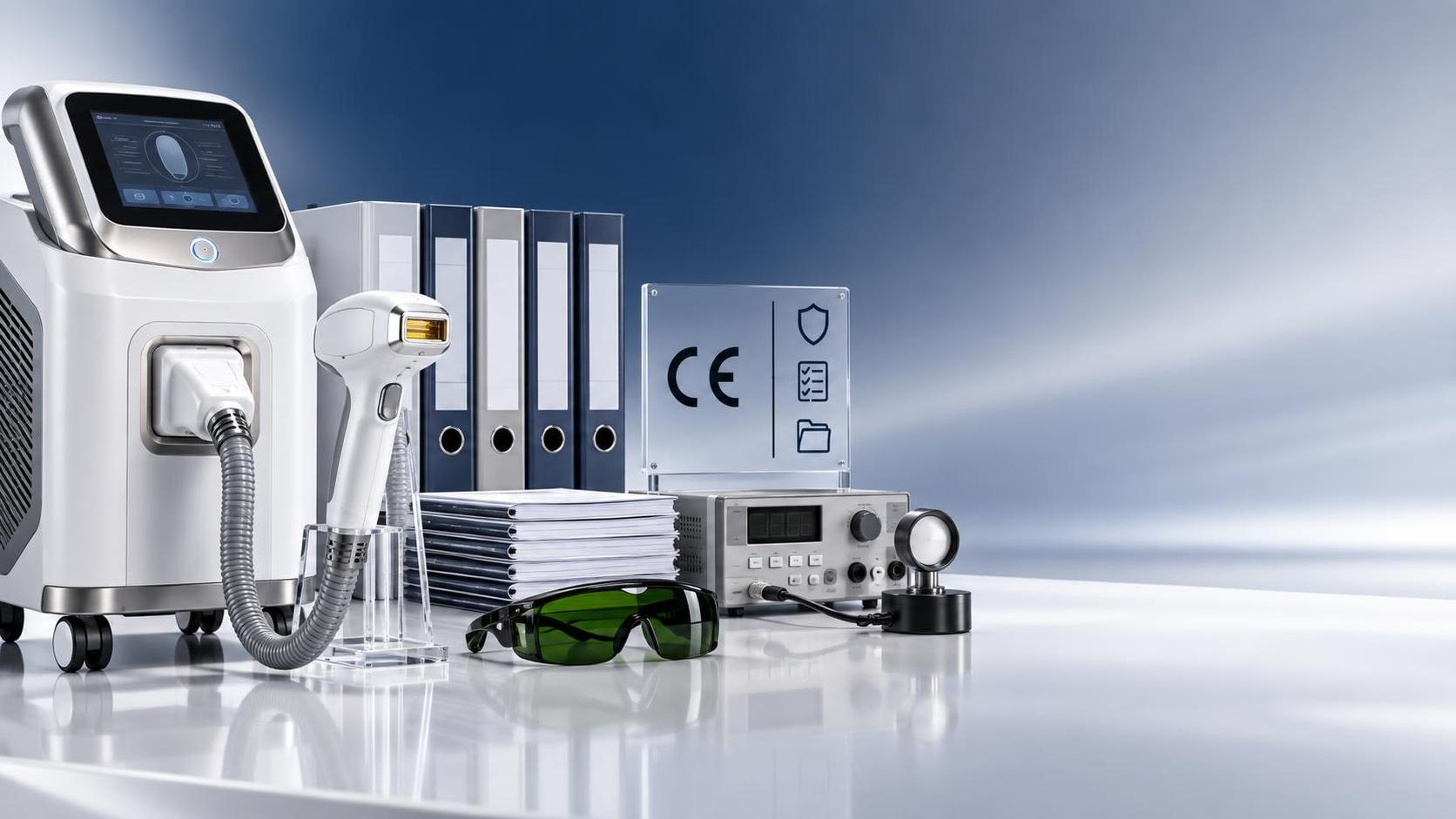
- Align FDA files with CE MDR and distributor documents where possible.
- Build complaint feedback loops into design review, not just quality review.
For medical aesthetics platforms using RF, IPL, laser, sonic, or motor-driven delivery systems, these basics often determine whether scaling remains smooth or becomes expensive.
A practical response framework can reduce compliance risk before it becomes a launch problem
A useful framework should connect product design, evidence, and market messaging. In medical aesthetics, separation between those areas creates avoidable failure points.
What stronger decisions look like in the next phase of medical aesthetics
The winners in medical aesthetics will not be the fastest launchers alone. They will be the teams that translate FDA updates into disciplined design and communication choices.
That means narrowing claims before regulators force it, validating user behavior before complaints expose it, and aligning software logic before documentation fragments.
For organizations tracking global beauty technology, this is also a strategic advantage. Better compliance architecture supports export resilience, brand trust, and platform reuse.
ABCS continues to observe how optoelectronic devices, sonic systems, high-speed motor platforms, and packaging-linked claims are converging under stricter scrutiny.
The next practical step is a focused internal review: compare intended use, software features, risk files, instructions, and promotional claims line by line.
In medical aesthetics, that simple exercise often reveals the exact compliance risks most likely to affect launch timing, remediation cost, and long-term market access.
Recommended News
 Pico-second Laser SystemsHow to Evaluate Commercial Picosecond Lasers for Multi-Service Aesthetic ClinicsCommercial salon lasers picosecond: evaluate wavelengths, skin-type suitability, workflow, safety, and supplier support to choose a profitable multi-service clinic platform.Sep 13, 2026Author:
 FDA Aesthetics & Safety RegsHow to Qualify a Collagen Induction Therapy Supplier for Professional ClinicsChoose a collagen induction therapy supplier with confidence—compare device specs, sterile cartridges, compliance, training, and service to protect clinic performance.Sep 12, 2026Author:
 Refillable Cosmetic JarsWhat a Beauty Packaging Sustainability Report Should Measure Beyond RecyclabilityBeauty packaging sustainability report: explore metrics beyond recyclability, from PCR traceability and product protection to refill performance, transport efficiency, compliance, and credible lifecycle decisions.Sep 11, 2026Author:
 Coanda Air StylersDo Ionic Air-Wrap Styling Tools Reduce Frizz Without Excess Heat?Air-wrap styling tools ionic technology can help reduce frizz, smooth flyaways, and style hair with controlled airflow and less reliance on excess heat. Learn what really works.Sep 10, 2026Author:
 FDA Aesthetics & Safety RegsCE Compliance for Cosmetic Devices: Essential Safety Standards and Technical FilesCosmetic device safety standards CE: learn how classification, risk-based testing, technical files, claims, and change control build credible EU compliance.Sep 09, 2026Author:
 FDA Aesthetics & Safety RegsBuying Salon Equipment in the USA: A Checklist for Safety, Warranty, and ServiceSalon equipment USA buying checklist: verify safety documentation, warranty coverage, local service, installation needs, and total ownership costs before you invest.Sep 09, 2026Author:
 Multi-polar RF Anti-agingHow RF Anti-Aging Technology Uses Controlled Heat for Skin RejuvenationRF anti-aging technology uses controlled heat, smart electrode design, and cooling to support firmer-looking skin. Explore how safe, precise RF rejuvenation works.Sep 07, 2026Author:
 FDA Aesthetics & Safety RegsHow Much Does CE MDR Certification Cost? A Budget Guide for Medical Device CompaniesCE MDR certification cost explained: uncover key budget drivers, hidden lifecycle expenses, and smart planning steps for medical device market entry.Sep 07, 2026Author:
 Ceramic Flat IronsHeat Control in Electric Hair Care Appliances: Accuracy, Sensors, and SafetyElectric hair care appliances heat control: explore temperature accuracy, sensor placement, airflow response, and layered safety for reliable styling performance.Sep 05, 2026Author:
 IPL Skin RejuvenationHow to Choose a Collagen Regeneration Serum for Sensitive, Aging SkinChoose a collagen regeneration serum for sensitive, aging skin with confidence. Discover gentle actives, barrier-supporting ingredients, and smart tips for smoother-looking skin.Sep 04, 2026Author:
 Magnetic Sonic ToothbrushesWhat Makes an Electric Oral Care Device Truly Waterproof for Daily Use?Electric oral care waterproof protection explained: compare IP ratings, sealed designs, charging safety, and daily-use tips to choose a reliable device.Sep 03, 2026Author:
 FDA Aesthetics & Safety RegsWhat to Expect from Professional Tattoo Removal: Sessions, Safety, and AftercareProfessional tattoo removal explained: learn about sessions, laser safety, realistic results, and essential aftercare for a confident treatment journey.Sep 02, 2026Author:
 Coanda Air StylersHow to Evaluate a Personal Care Appliance Manufacturer for OEM ProjectsPersonal care appliance technology manufacturer selection made easier: explore OEM engineering, quality control, compliance, supply chain, and customization factors for reliable launches.Sep 01, 2026Author:
 Pico-second Laser SystemsHow to Evaluate Commercial Laser Platforms for Multi-Application Aesthetic ClinicsCommercial laser platforms: evaluate clinical fit, safety, regulatory status, cooling, workflow, and ownership costs for a high-performing multi-application aesthetic clinic.Aug 30, 2026Author:
 Multi-polar RF Anti-agingHow RF Skin Tightening Works and What Results Can You Realistically Expect?Non-invasive beauty treatments RF explained: learn how RF skin tightening works, the results you can realistically expect, key safety factors, and how to choose the right device.Aug 29, 2026Author:
 Beauty Capital & DTC MarketingAesthetic Device Market Analysis: Pricing Trends, Margins, and Buyer DemandAesthetic device market analysis pricing insights: compare cost drivers, margins, buyer demand, compliance, and supplier value for smarter sourcing decisions.Aug 28, 2026Author:
 Beauty Capital & DTC MarketingBeauty Device Sourcing: How to Vet Manufacturers for Quality, Compliance, and MOQBeauty device sourcing manufacturers: learn how to verify quality systems, compliance evidence, MOQ structures, and change control to source reliable, scalable beauty devices.Aug 27, 2026Author:
 Multi-polar RF Anti-agingHow to Evaluate RF Facial Devices for Wrinkle Reduction at HomeRF facial devices wrinkle reduction starts with smart evaluation. Learn how to compare safety, heat control, usability, and real results before choosing an at-home device.Aug 26, 2026Author:
 FDA Aesthetics & Safety RegsHow to Start Beauty Device Export Trade in the UAE: Licenses, Compliance, and Channel RisksBeauty device export trade UAE starts with licenses, compliance, and channel control. Learn how to avoid customs delays, claim risks, and distributor mistakes before launch.Aug 25, 2026Author:
 Coanda Air StylersHow to Evaluate a Coanda Air Styler Factory Before OEM/ODM Sourcing?Coanda air styler factory selection affects performance, compliance, and margins. Learn how to evaluate OEM/ODM suppliers, test samples, and avoid costly sourcing mistakes.Aug 24, 2026Author: