Considering pigmentation removal but worried about recovery time? Understanding pigmentation removal downtime helps you prepare realistically, protect your skin, and feel calmer after treatment.
Whether the procedure uses laser, IPL, or another light-based method, recovery usually happens in stages rather than all at once.
Most people notice temporary redness, mild swelling, darkening of spots, then gradual flaking or fading. That sequence is often normal, not a sign of failure.
This guide explains pigmentation removal downtime, who may need more recovery, how different treatments compare, and what warning signs deserve attention.
What does pigmentation removal downtime actually mean?

Pigmentation removal downtime is the healing period after treatment, when the skin reacts, repairs itself, and clears fragmented pigment.
It does not always mean staying home for days. In many cases, social downtime is short, even when visible skin changes continue.
For example, a person may return to normal activities quickly, yet still see bronzing, dryness, or tiny flakes for one to two weeks.
With pigmentation removal, the treated melanin often darkens first. That can surprise first-time users, but it is commonly part of the process.
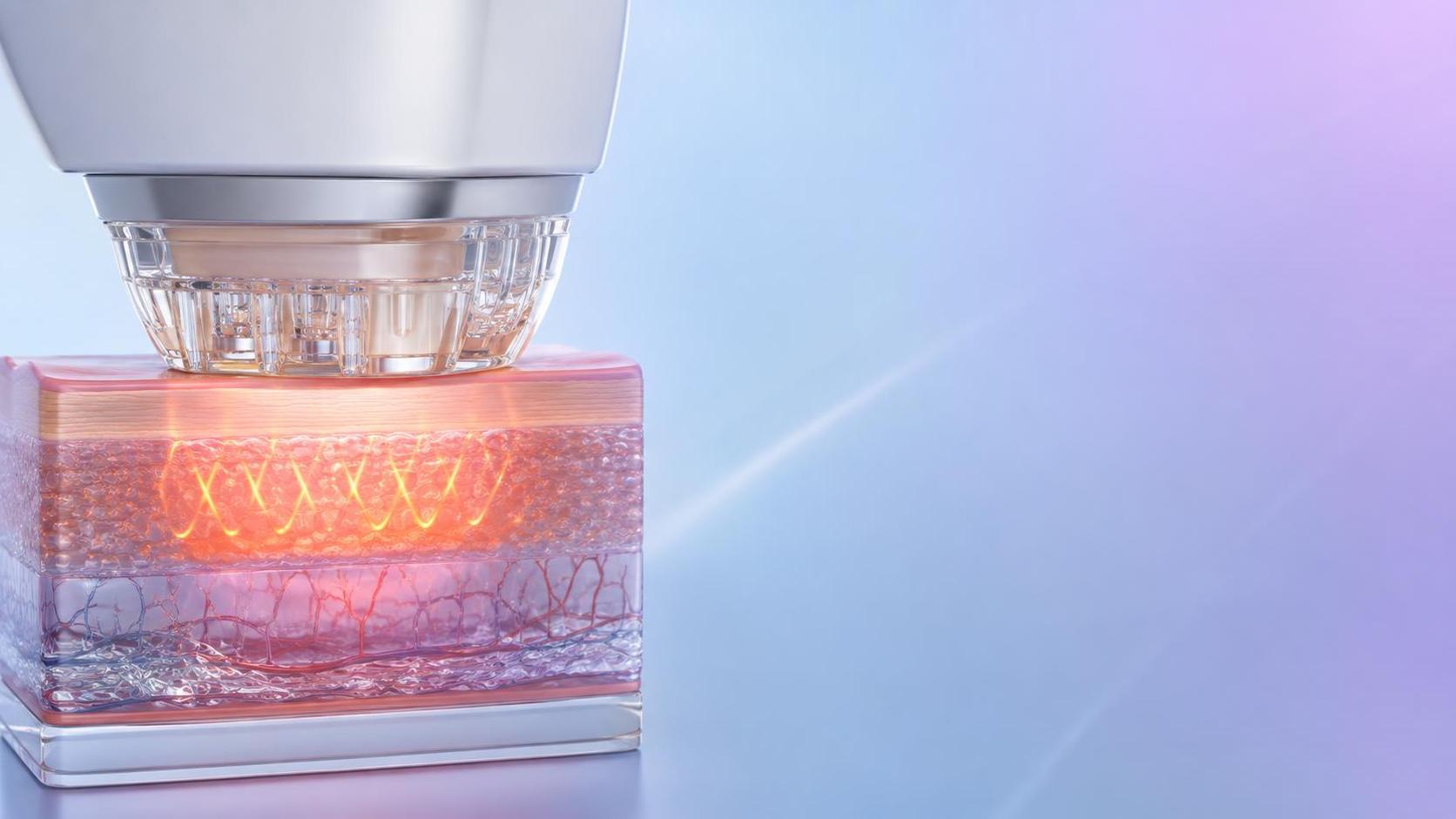
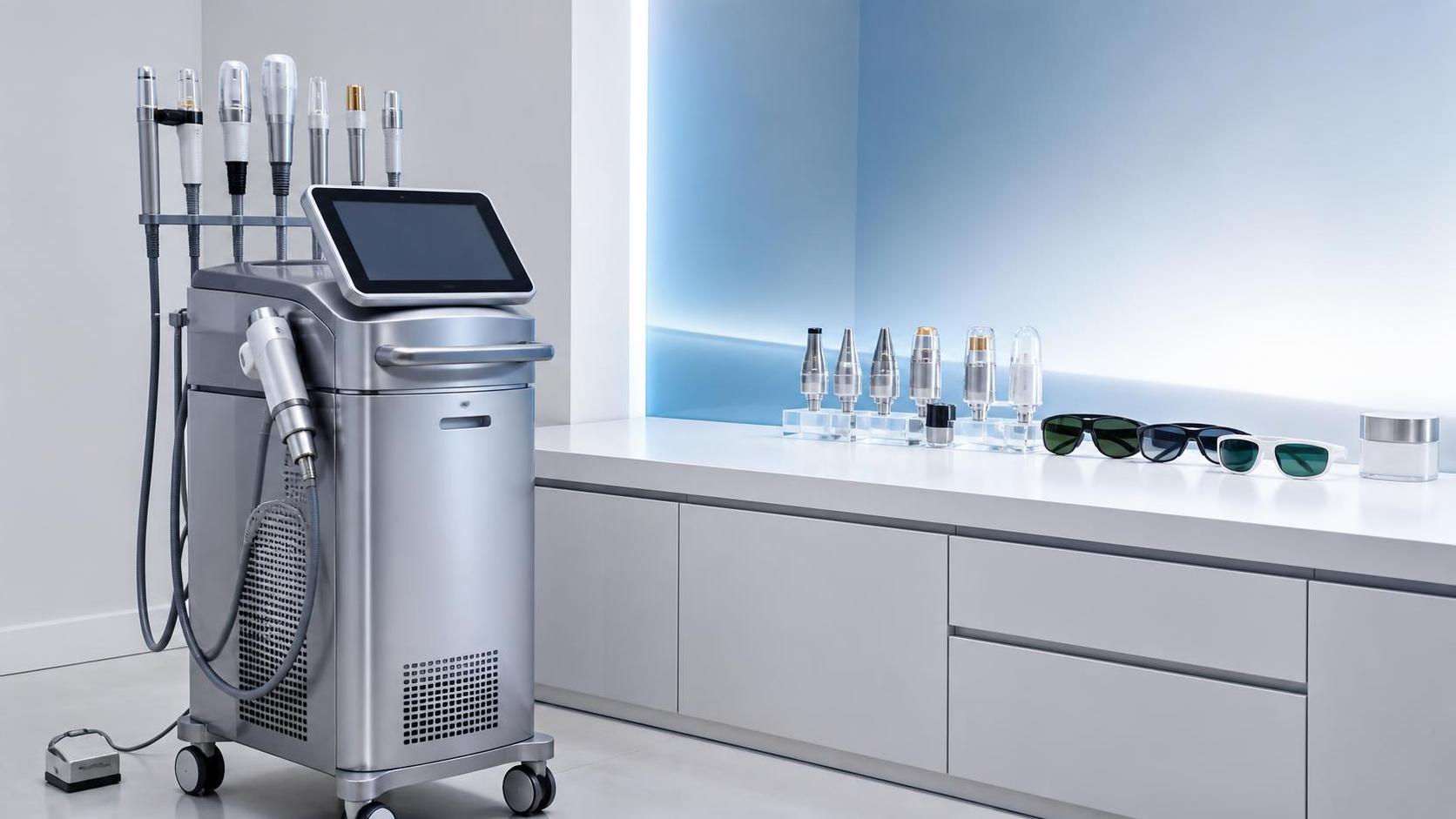
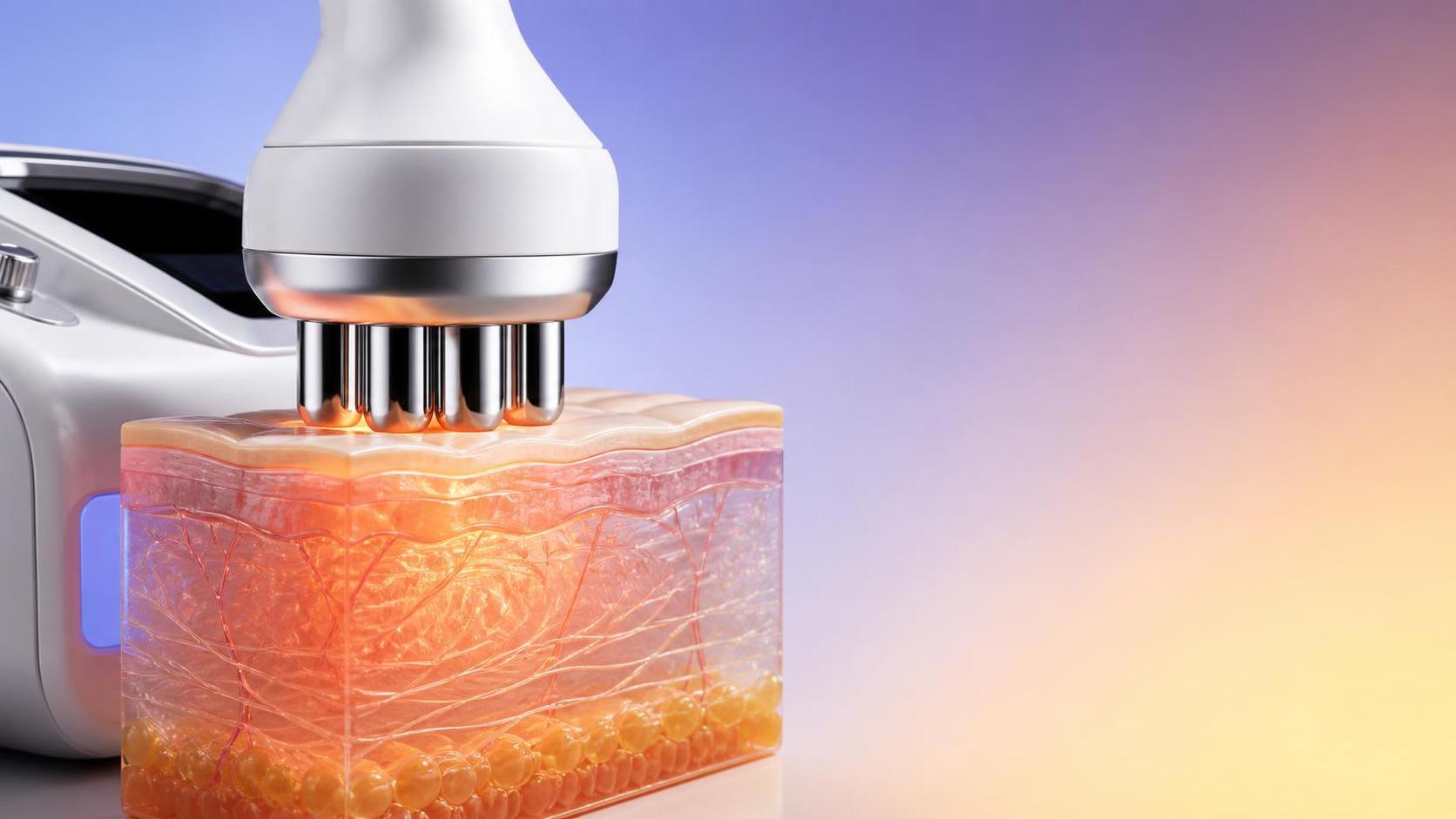
In optoelectronic aesthetics, this reaction reflects controlled energy delivery to pigment while surrounding tissue is protected as much as possible.
Downtime can be understood through three layers:
- Immediate downtime: redness, warmth, mild swelling within hours.
- Visible downtime: darkened spots, dryness, crusting, or peeling over days.
- Result timeline: fading continues over weeks as pigment clears.
Knowing these layers makes pigmentation removal downtime easier to judge. It is not just about pain. It is about appearance, healing, and timing.
How long does pigmentation removal downtime usually last?
The short answer is: it depends on the technology, pigment depth, skin sensitivity, and treatment intensity.
For superficial sunspots treated with IPL or gentle laser settings, pigmentation removal downtime may be only a few days socially.
For stronger laser sessions, especially targeting stubborn melasma-like discoloration or deeper lesions, visible recovery can take seven to fourteen days.
Some lingering pinkness may last longer, especially on fair or reactive skin. Final brightening often appears gradually over several weeks.
A typical pigmentation removal downtime timeline
- Day 0: warmth, redness, slight swelling, and sensitivity.
- Day 1–3: pigment may darken or look more obvious.
- Day 3–7: dryness, rough texture, or light flaking may appear.
- Day 7–14: spots begin lifting or fading.
- Week 2–6: tone looks clearer as the skin settles.
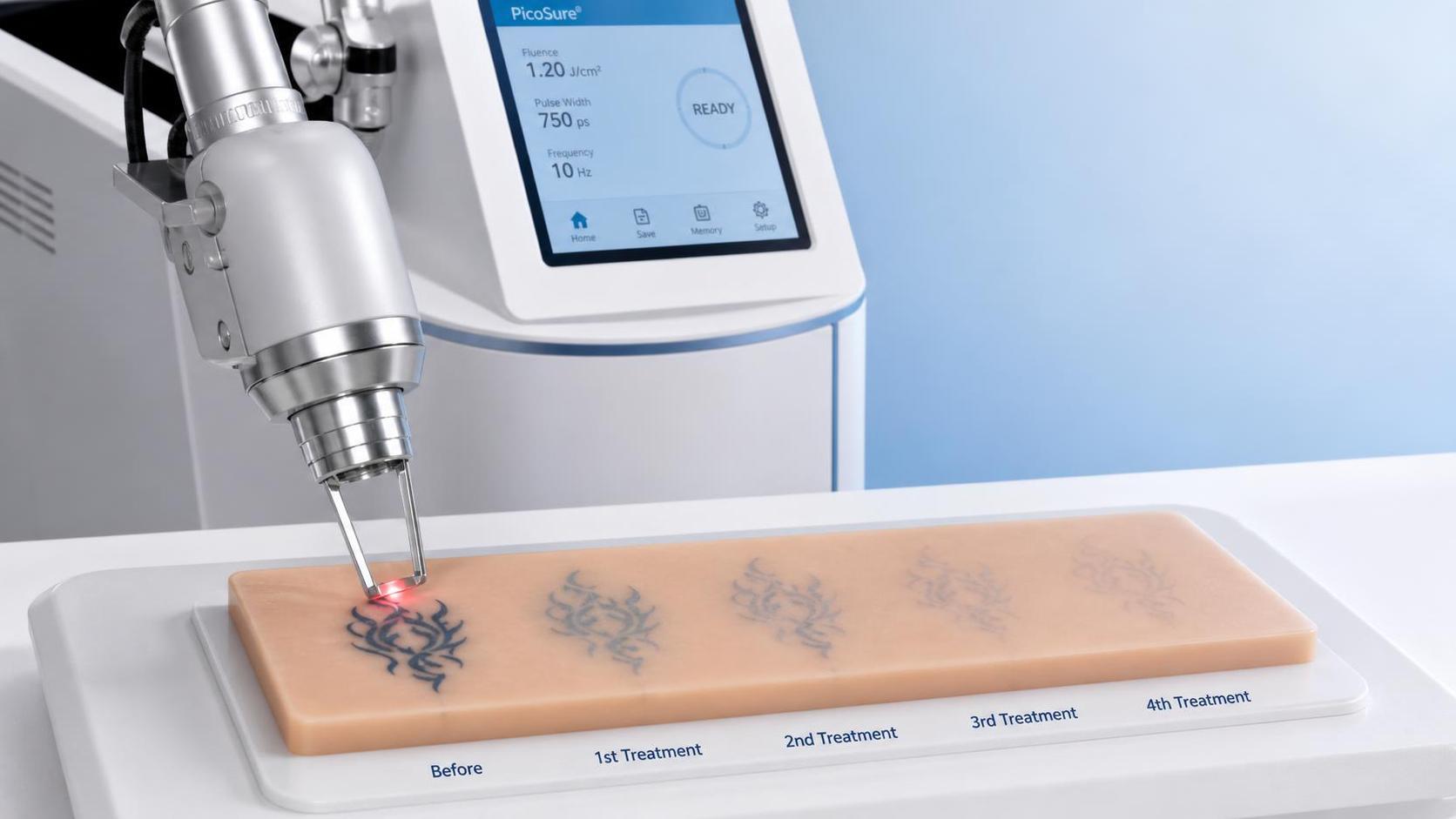
That timeline is a guide, not a guarantee. Devices using picosecond pulses may behave differently from IPL or Q-switched systems.
Energy-based aesthetics increasingly aim for strong pigment targeting with lower collateral stress, but recovery still varies person to person.
What affects pigmentation removal downtime the most?
Several factors shape how your skin reacts. Understanding them helps you set more realistic expectations before booking treatment.
1. Type of pigmentation
Sunspots and freckles often respond faster. Melasma can be more unpredictable and may require gentler, repeated sessions.
2. Treatment technology
IPL, picosecond lasers, nanosecond lasers, and fractional systems create different tissue responses and therefore different pigmentation removal downtime patterns.
3. Skin tone and sensitivity
Darker or easily inflamed skin may need more conservative settings to reduce the risk of post-inflammatory hyperpigmentation.
4. Treatment intensity
Higher energy may produce faster pigment disruption, but also stronger visible recovery. More aggressive is not always better.
5. Aftercare quality
Sun exposure, picking flakes, harsh scrubs, or active ingredients used too soon can extend pigmentation removal downtime or worsen discoloration.
A good consultation should review all five points, especially if previous treatments caused irritation or rebound pigment.
What is normal during recovery, and what is not?
This is one of the most searched questions around pigmentation removal downtime, because appearance changes can feel alarming at first.
Usually normal
- Mild redness for several hours or days.
- A sunburn-like warm feeling.
- Temporary darkening of treated pigment.
- Dryness, slight crusting, or flaking.
- Gradual fading rather than instant clearing.
Not normal and worth prompt review
- Severe swelling that worsens after the first day.
- Intense pain, blistering, or oozing.
- Signs of infection, including pus or spreading heat.
- Large areas of unexpected whitening or burning.
- Persistent dark marks that look more inflamed over time.
If something feels clearly outside the expected plan, seek clinical advice quickly. Early intervention can prevent longer pigmentation removal downtime.
How can you reduce pigmentation removal downtime safely?
You cannot eliminate recovery entirely, but you can make pigmentation removal downtime smoother and more predictable.
Before treatment
- Avoid tanning and unprotected sun exposure.
- Pause irritating skincare if advised.
- Ask which pigment type is being treated.
- Schedule around important events.
After treatment
- Use gentle cleansing and bland moisturizers.
- Apply broad-spectrum sunscreen daily.
- Avoid picking, rubbing, or exfoliating flakes.
- Delay saunas, intense workouts, and hot baths if recommended.
- Reintroduce acids or retinoids carefully.
Cooling features in advanced systems may improve comfort, but aftercare discipline remains essential for better pigmentation removal results.
Which treatment options may have more or less downtime?
Not every pigment treatment creates the same recovery pattern. Comparing options can help align expectations with lifestyle and skin goals.
The best choice is not simply the newest device. It depends on pigment type, skin tone, tolerance for downtime, and provider judgment.
What questions should you ask before booking pigmentation removal?
A short consultation checklist can prevent unrealistic expectations and reduce avoidable recovery problems.
These questions also help separate marketing promises from realistic planning. Clear expectations often lead to a better overall pigmentation removal experience.
Pigmentation removal downtime is usually manageable, but it should never be treated casually. The skin needs time, protection, and patience.
If you are considering pigmentation removal, compare treatment methods, ask about your exact pigment type, and build your calendar around proper healing.
A thoughtful plan can make pigmentation removal downtime far less stressful and improve the chance of clearer, more even-looking skin.
For anyone exploring beauty technology, recovery knowledge is just as important as device power. Smart expectations are part of smart results.
Recommended News
 Pico-second Laser SystemsHow to Evaluate Commercial Picosecond Lasers for Multi-Service Aesthetic ClinicsCommercial salon lasers picosecond: evaluate wavelengths, skin-type suitability, workflow, safety, and supplier support to choose a profitable multi-service clinic platform.Sep 13, 2026Author:
 FDA Aesthetics & Safety RegsHow to Qualify a Collagen Induction Therapy Supplier for Professional ClinicsChoose a collagen induction therapy supplier with confidence—compare device specs, sterile cartridges, compliance, training, and service to protect clinic performance.Sep 12, 2026Author:
 Refillable Cosmetic JarsWhat a Beauty Packaging Sustainability Report Should Measure Beyond RecyclabilityBeauty packaging sustainability report: explore metrics beyond recyclability, from PCR traceability and product protection to refill performance, transport efficiency, compliance, and credible lifecycle decisions.Sep 11, 2026Author:
 Coanda Air StylersDo Ionic Air-Wrap Styling Tools Reduce Frizz Without Excess Heat?Air-wrap styling tools ionic technology can help reduce frizz, smooth flyaways, and style hair with controlled airflow and less reliance on excess heat. Learn what really works.Sep 10, 2026Author:
 FDA Aesthetics & Safety RegsCE Compliance for Cosmetic Devices: Essential Safety Standards and Technical FilesCosmetic device safety standards CE: learn how classification, risk-based testing, technical files, claims, and change control build credible EU compliance.Sep 09, 2026Author:
 FDA Aesthetics & Safety RegsBuying Salon Equipment in the USA: A Checklist for Safety, Warranty, and ServiceSalon equipment USA buying checklist: verify safety documentation, warranty coverage, local service, installation needs, and total ownership costs before you invest.Sep 09, 2026Author:
 Multi-polar RF Anti-agingHow RF Anti-Aging Technology Uses Controlled Heat for Skin RejuvenationRF anti-aging technology uses controlled heat, smart electrode design, and cooling to support firmer-looking skin. Explore how safe, precise RF rejuvenation works.Sep 07, 2026Author:
 FDA Aesthetics & Safety RegsHow Much Does CE MDR Certification Cost? A Budget Guide for Medical Device CompaniesCE MDR certification cost explained: uncover key budget drivers, hidden lifecycle expenses, and smart planning steps for medical device market entry.Sep 07, 2026Author:
 Ceramic Flat IronsHeat Control in Electric Hair Care Appliances: Accuracy, Sensors, and SafetyElectric hair care appliances heat control: explore temperature accuracy, sensor placement, airflow response, and layered safety for reliable styling performance.Sep 05, 2026Author:
 IPL Skin RejuvenationHow to Choose a Collagen Regeneration Serum for Sensitive, Aging SkinChoose a collagen regeneration serum for sensitive, aging skin with confidence. Discover gentle actives, barrier-supporting ingredients, and smart tips for smoother-looking skin.Sep 04, 2026Author:
 Magnetic Sonic ToothbrushesWhat Makes an Electric Oral Care Device Truly Waterproof for Daily Use?Electric oral care waterproof protection explained: compare IP ratings, sealed designs, charging safety, and daily-use tips to choose a reliable device.Sep 03, 2026Author:
 FDA Aesthetics & Safety RegsWhat to Expect from Professional Tattoo Removal: Sessions, Safety, and AftercareProfessional tattoo removal explained: learn about sessions, laser safety, realistic results, and essential aftercare for a confident treatment journey.Sep 02, 2026Author:
 Coanda Air StylersHow to Evaluate a Personal Care Appliance Manufacturer for OEM ProjectsPersonal care appliance technology manufacturer selection made easier: explore OEM engineering, quality control, compliance, supply chain, and customization factors for reliable launches.Sep 01, 2026Author:
 Pico-second Laser SystemsHow to Evaluate Commercial Laser Platforms for Multi-Application Aesthetic ClinicsCommercial laser platforms: evaluate clinical fit, safety, regulatory status, cooling, workflow, and ownership costs for a high-performing multi-application aesthetic clinic.Aug 30, 2026Author:
 Multi-polar RF Anti-agingHow RF Skin Tightening Works and What Results Can You Realistically Expect?Non-invasive beauty treatments RF explained: learn how RF skin tightening works, the results you can realistically expect, key safety factors, and how to choose the right device.Aug 29, 2026Author:
 Beauty Capital & DTC MarketingAesthetic Device Market Analysis: Pricing Trends, Margins, and Buyer DemandAesthetic device market analysis pricing insights: compare cost drivers, margins, buyer demand, compliance, and supplier value for smarter sourcing decisions.Aug 28, 2026Author:
 Beauty Capital & DTC MarketingBeauty Device Sourcing: How to Vet Manufacturers for Quality, Compliance, and MOQBeauty device sourcing manufacturers: learn how to verify quality systems, compliance evidence, MOQ structures, and change control to source reliable, scalable beauty devices.Aug 27, 2026Author:
 Multi-polar RF Anti-agingHow to Evaluate RF Facial Devices for Wrinkle Reduction at HomeRF facial devices wrinkle reduction starts with smart evaluation. Learn how to compare safety, heat control, usability, and real results before choosing an at-home device.Aug 26, 2026Author:
 FDA Aesthetics & Safety RegsHow to Start Beauty Device Export Trade in the UAE: Licenses, Compliance, and Channel RisksBeauty device export trade UAE starts with licenses, compliance, and channel control. Learn how to avoid customs delays, claim risks, and distributor mistakes before launch.Aug 25, 2026Author:
 Coanda Air StylersHow to Evaluate a Coanda Air Styler Factory Before OEM/ODM Sourcing?Coanda air styler factory selection affects performance, compliance, and margins. Learn how to evaluate OEM/ODM suppliers, test samples, and avoid costly sourcing mistakes.Aug 24, 2026Author: